Category
Category: Thinking Through Creation
-
Reflexionar a través de la creación: génesis 1 y 2 como Herramientas de crítica cultural
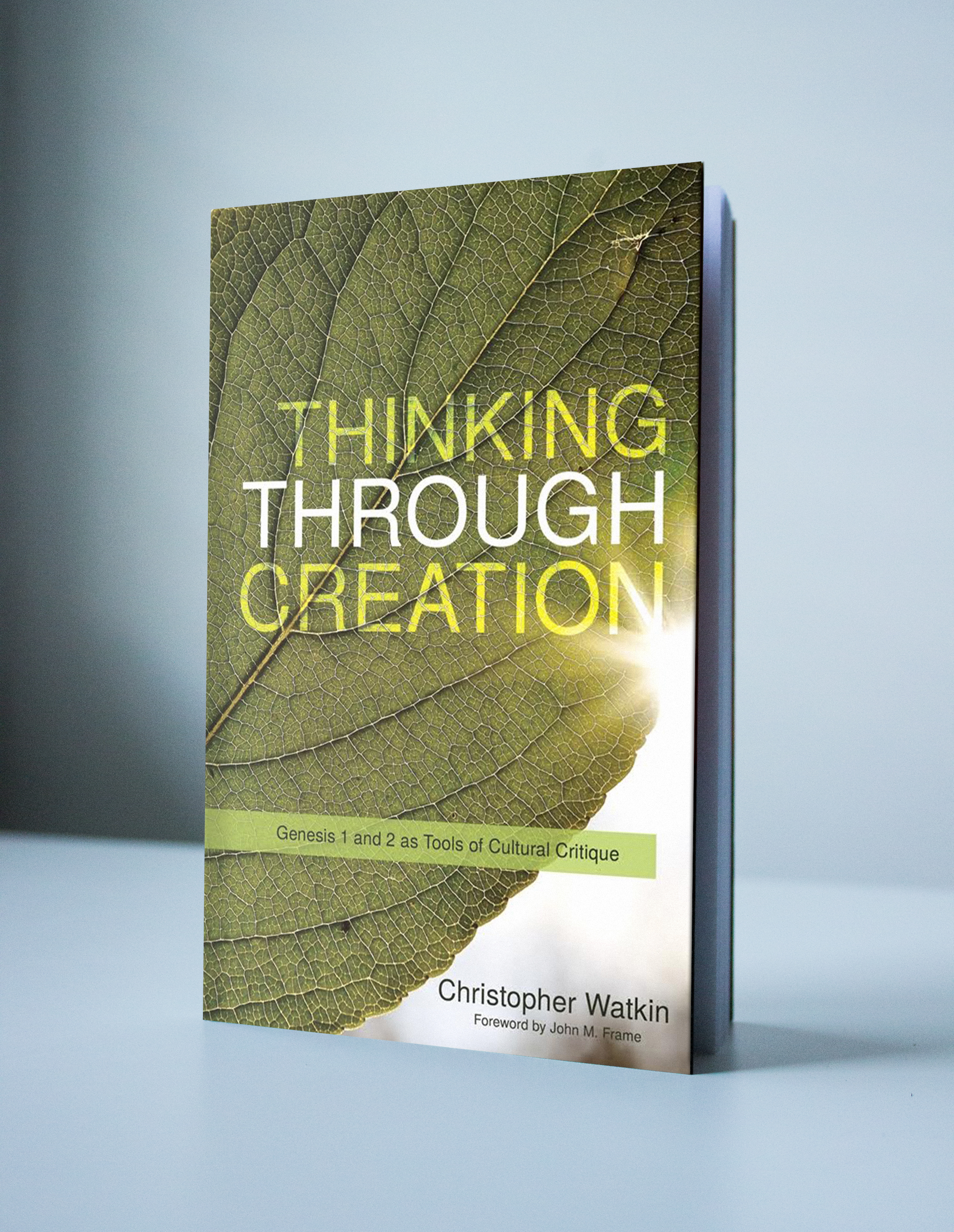
Extracts from my book Thinking Through Creation were recently translated into Spanish for the IFES Logos and Cosmos Initiative. Below (and here as a PDF) is the translation. Reflexionar a través de la creación: génesis 1 y 2 como Herramientas de crítica cultural Extractos de la introducción del libro de Christopher Watkin, Thinking Through Creation: Genesis
-
Réflexions sur la création
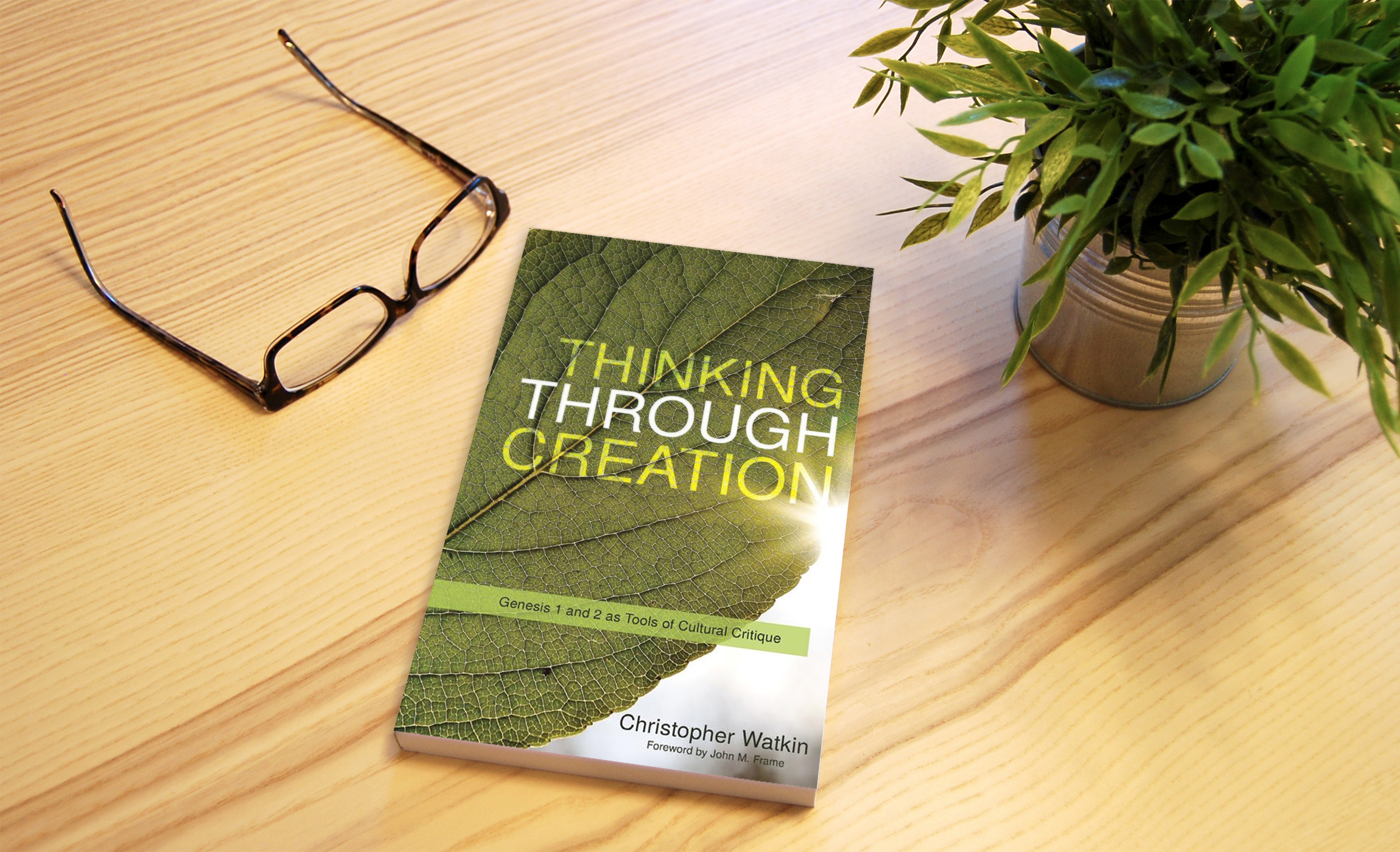
Extracts from my book Thinking Through Creation were recently translated into French for the IFES Logos and Cosmos Initiative. Below (and here as a PDF) is the translation. REFLEXIONS SUR LA CREATION : GENESE 1 ET 2 EN TANT QU’OUTILS DE CRITIQUE CULTURELLE Extraits de l’introduction du livre de Christopher Watkin, Thinking Through
-
Thinking Through Creation Q&A, and Tim Keller on Diagonalization
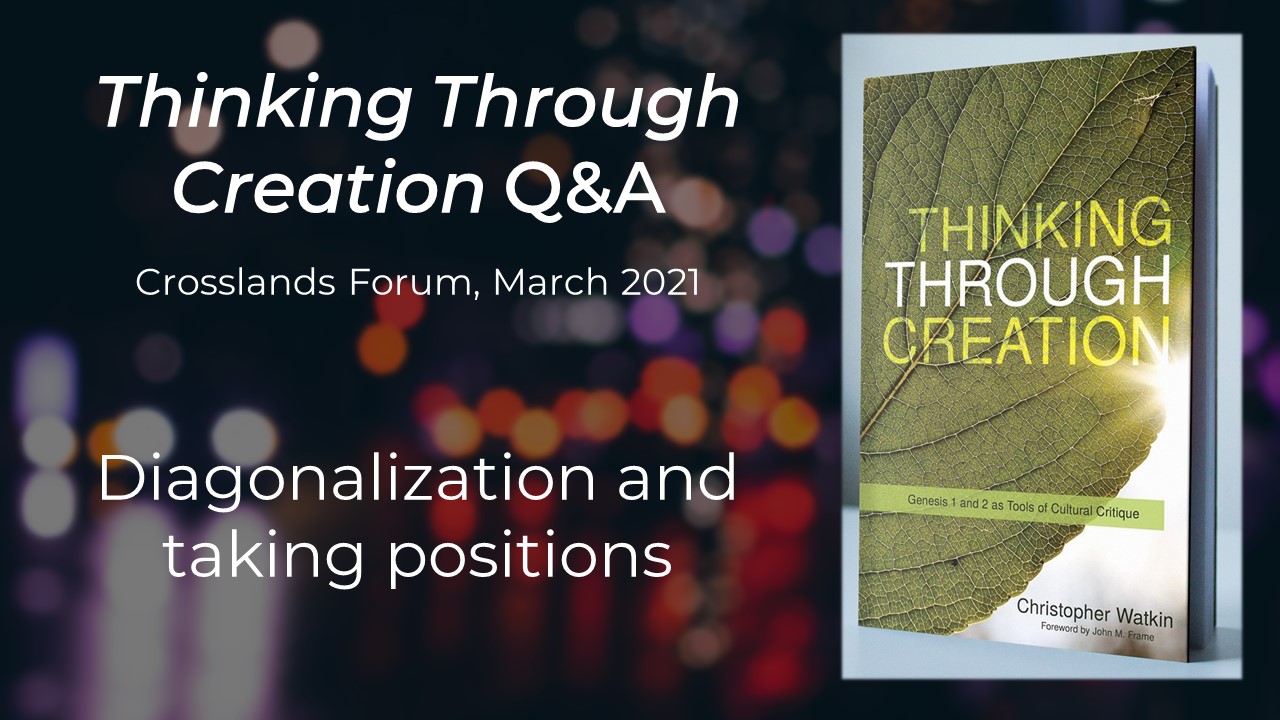
I recently had the honour of taking in part in a Q&A session on my book Thinking Through Creation, organised by the Crosslands Forum and Dr. Dan Strange. Here is a clip in which I respond to a question about diagonalization: Tim Keller also recently discussed “diagonalization” in an episode of the Mere Fidelity podcast
-
Review of Thinking Through Creation in Themelios
The latest edition of the journal Themelios carried a review of Thinking Through Creation by Robert S. Smith of Sydney Missionary and Bible College and Steve Frederick of St Andrew’s Cathedral, Sydney. The full text of the review is available on the Themelios site, and also pasted below. REVIEWS Volume 44 – Issue 3 Thinking Through
-
There is more to Sabbath than not working: Sabbath rest as a political and subversive practice
A recent email exchange put me in mind of the importance of taking rest from work, and of how this rest can be a powerful political statement. In my experience this is a particular challenge for academics, who have anything but a 9 to 5 job. I try to tease out the political implications of

-
Book excerpt from Thinking Through Creation: Absolute personality theism
Absolute personality theism The God of the Bible is not the only God of the ancient or modern worlds who is personal. The Greeks and the Romans had as many personal gods as you could shake a stick at (and, as Paul discovered in Athens in Acts 17, even more that you couldn’t!) What is
-
Reformed Forum Christ the Centre episode on Thinking Through Creation
I recently had the pleasure of speaking with Camden Bucey and Adam York of the Reformed Forum about my recent book Thinking Through Creation: Genesis 1 and 2 as Tools of Cultural Critique. The conversation ranged over: what it means to deploy the Bible as a tool of cultural critique John Stott’s ‘double listening’ why
-
Summary and reviews of Thinking Through Creation: Genesis 1 and 2 as Tools of Cultural Critique
Phillipsburg, NJ: P&R Press, 2017. Summary Reading Genesis 1 and 2, we are tempted to see only problems to solve. Yet these two chapters burst with glorious truths about God, our world, and ourselves. In fact, their foundational doctrines are among the richest sources of insight as we pursue robust, sensitive, and constructive engagement
-
Excerpt from Thinking Through Creation: Reclaiming the Trinity
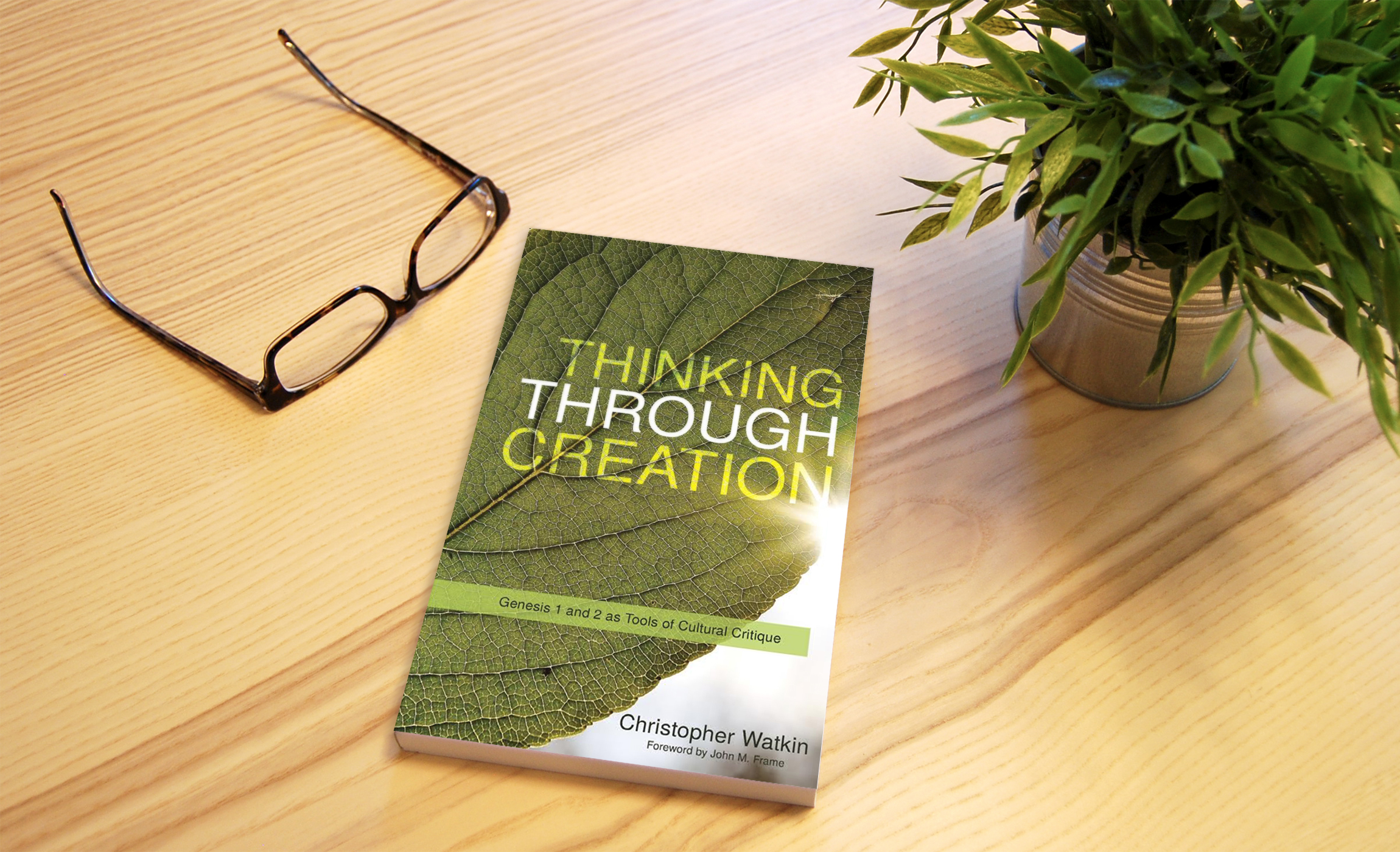
“Ridicule is the only weapon which can be used against unintelligible propositions. Ideas must be distinct before reason can act upon them; and no man ever had a distinct idea of the Trinity. It is the mere Abracadabra of the mountebanks calling themselves the priests of Jesus”. These are the words of Thomas Jefferson, but
-
Thinking Through Creation: Introduction
And they took him and brought him to the Areopagus, saying, “May we know what this new teaching is that you are presenting? For you bring some strange things to our ears. We wish to know therefore what these things mean.” Our wisdom, in so far as it ought to be deemed true and
