Category
Category: Book excerpts
Read excerpts from Chris’s books on theology, philosophy and Western culture, ranging from paragraphs to entire chapters.
-
The threefold biblical scandal of the personal, the material and the historical. Extract from my forthcoming book on Deleuze and theology
This is the seventh in a series of extracts from my forthcoming book on Deleuze (to be published in the same P&R ‘Great Thinkers’ series as the Derrida and Foucault volumes). It argues that the Bible has a radical view of history, the material world and the human person that set it apart from almost…
-
Deleuze and the biblical asymmetry of good and evil. Extract from my forthcoming book on Deleuze and theology
This is the sixth in a series of extracts from my forthcoming book on Deleuze (to be published in the same P&R ‘Great Thinkers’ series as the Derrida and Foucault volumes). It compares the way in which Deleuze draws an ethics and politics out of his ontology with the biblical creation-fall-redemption schema. To see all…
-
How does Deleuze know his view is true? Six points. Extract from my forthcoming book on Deleuze and theology
This is the fourth in a series of extracts from my forthcoming book on Deleuze (to be published in the same P&R ‘Great Thinkers’ series as the Derrida and Foucault volumes). In this extract I discuss six important points to take into account if we want to understand how Deleuze thinks about truth. To see…
-
Deleuze, atheism, and belief in God. Extract from my forthcoming book on Deleuze and theology
This is the third in a series of extracts from my forthcoming book on Deleuze (to be published in the same P&R ‘Great Thinkers’ series as the Derrida and Foucault volumes). It comes at the end of a section on Nietzsche’s idea of eternal return, and it discusses what “belief in God” could mean from…
-
Why Deleuze’s philosophy fits its historical and cultural moment. Extract from my forthcoming book on Deleuze and theology
This is the second of a series of extracts from my forthcoming book on Deleuze (to be published in the same P&R ‘Great Thinkers’ series as the Derrida and Foucault volumes). It argues why Deleuze’s thought was appropriate for its historical and cultural moment, and offers some reflections on how to engage with a body…
-
Four reasons why Christians should bother with Deleuze. Extract from my forthcoming book on Deleuze and theology
This is the first of a series of extracts from my forthcoming book on Deleuze (to be published in the same P&R ‘Great Thinkers’ series as the Derrida and Foucault volumes). It comes from the first section of the Introduction, in which I give four reasons why Christians should pay attention to Deleuze’s thought, and…
-
There is more to Sabbath than not working: Sabbath rest as a political and subversive practice
A recent email exchange put me in mind of the importance of taking rest from work, and of how this rest can be a powerful political statement. In my experience this is a particular challenge for academics, who have anything but a 9 to 5 job. I try to tease out the political implications of…

-
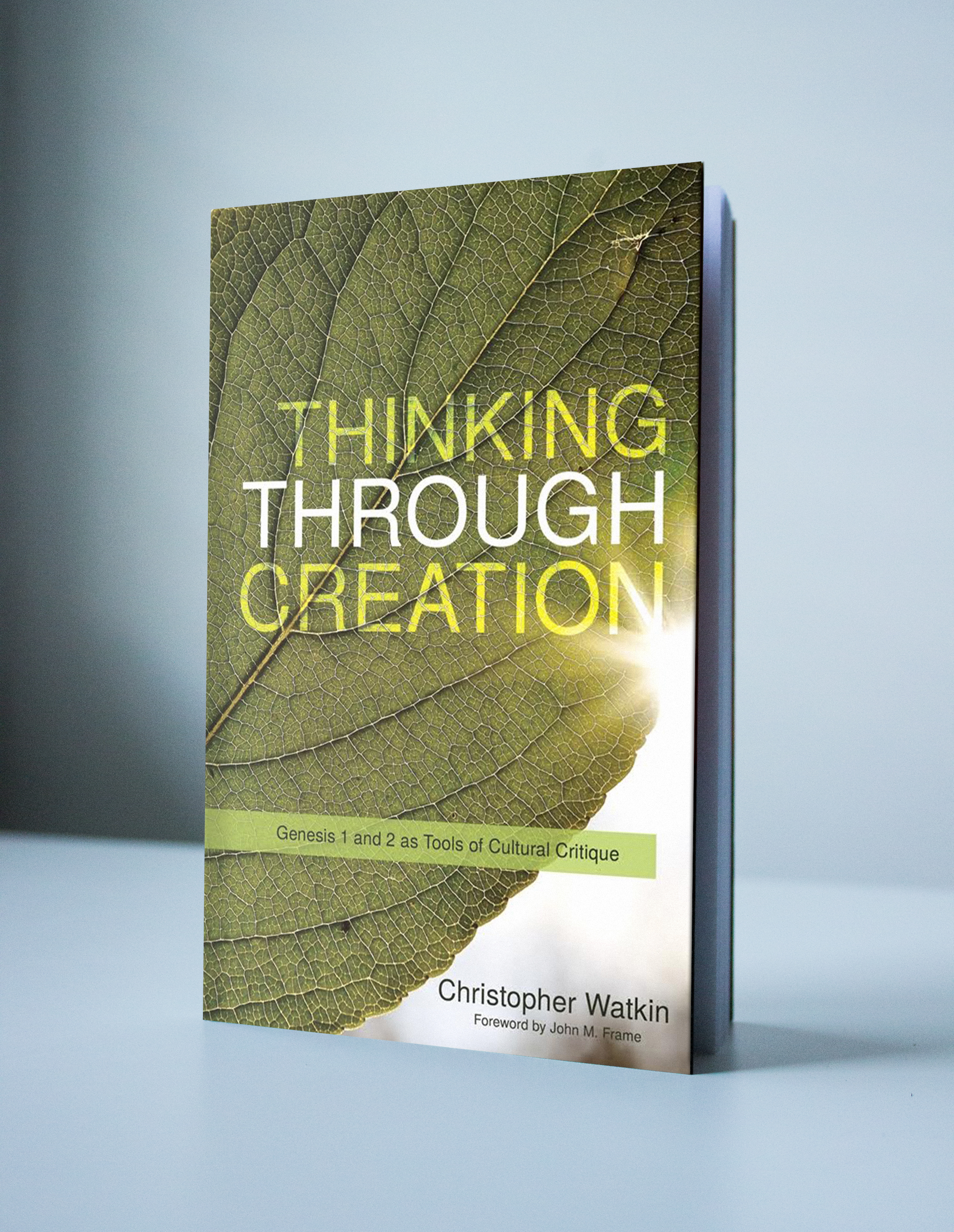
Book excerpt from Thinking Through Creation: Absolute personality theism
Absolute personality theism The God of the Bible is not the only God of the ancient or modern worlds who is personal. The Greeks and the Romans had as many personal gods as you could shake a stick at (and, as Paul discovered in Athens in Acts 17, even more that you couldn’t!) What is…
-
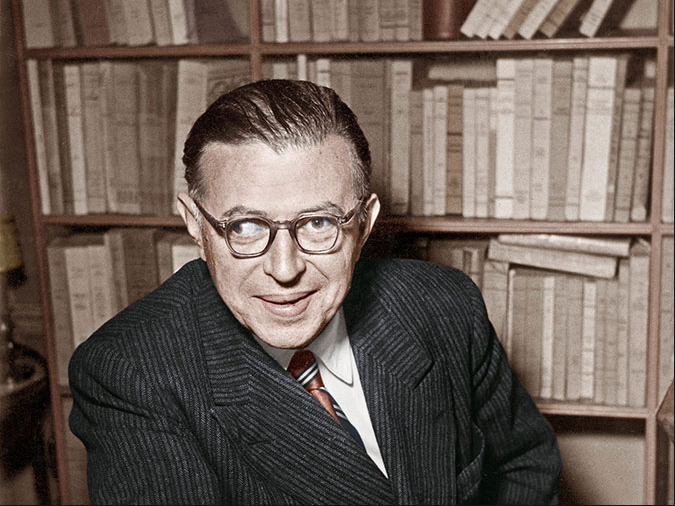
Thinking Through Sin: Genesis 3, Sartre, and the power of the gaze
When Adam and Eve eat the fruit from the tree of the knowledge of good and evil their relationship undergoes a striking change. They begin accusing each other of wrongdoing (3:12-13), becoming ashamed (3:7,10) and being defensive (3:12-13). Their relationship becomes a zero sum game of power and domination (3:16b) in which each is…
-
Thinking Through Sin: Original sin and critical theory
This is an excerpt from the as-yet unpublished book Thinking Through Sin and Judgment, in the ‘Thinking Through the Bible’ series For all the contemporary resistance to the idea of sin, it finds some striking echoes in modern critical and cultural theory, echoes of the way in which sin effects how that we think about…