Category
Tag: integration of faith and learning
-
Developing a Christian Approach to Your Academic Discipline: The Map and the Mirror
In this post I want to explore one way that Christian academics can get to grips with the secular disciplines in which we work. I will begin by discussing two different ways in which we can understand the Christian faith and the way it shapes our work, before moving on to discuss a tool to help

-
“Ideas are powerful; all they need is a voice.” – The Biola Center for Christian Thought
The Biola University Center for Christian Thought has some great online resources for helping Christians think about how we can do good in academia and in our disciplines, helping them to flourish. Here is a short teaser video that introduces the Center through a brief meditation on the power of ideas:

-
Biola Center for Christian Thought: Plantinga and Wolterstorff on the academic totem pole
Biola University’s Centre for Christian Thought is a great resource for Christian postgrads and academics who want to deepen their thinking about how to serve Christ in secular academia. Here’s a taster to whet your appetite: Nicholas Wolterstorff and Alvin Plantinga on how to deal with the academic totem pole. Plantinga’s insight is spot on
-
The academic life and paying taxes to Caesar
In this post I want to think about how academic study fits in with the rest of our lives. I will suggest two defective models, and propose a more adequate model. There is a very powerful contrast in the film Chariots of Fire that brings out the dangers of an defective model of any vocation, and

-
How can I justify spending so much of my life on academic research with all the problems in the world?
I work in an obscure corner of some unfashionable discipline. My ideas will never change the world. How can I justify spending so much of my life on academic research? How does it serve the kingdom of God? These questions read like a typical diary entry from my time as a doctoral candidate. I still struggle

-
Shalom (2 of 2). Building human culture: our task for today, our joy for eternity
In a previous post I explored how shalom shapes what we think the task of academy should be, and how we understand our place in it. I now want to widen the focus a little and think about shalom as a paradigm of culture-building that bridges this world and the next. This second way in

-
Christian academia and the peace (שׁלום, shalom) of Jeremiah (1 of 2)
In a previous post I commented on the importance Sir Donald Hay gives to the biblical notion of shalom in his understanding of what it means to be a Christian academic. In the present post I want to think a little more carefully about what shalom is and how it is an important idea of

-
A Pauline model for engaging with our academic disciplines
Somewhere in the Preaching Christ in a Postmodern World series of talks (available on iTunesU), Tim Keller offers a brilliant fourfold schema that can help Christian academics to engage with our disciplines in a God-honouring and constructive way. Keller unfolds the schema as a way of understanding and engaging with culture in general, but I have found it

-
Why do I study something I don’t believe is true?
When it comes to what I research, one of the first challenges for me is to think through the following question: “Why do you study something you don’t believe is true?” These are my responses, in brief: 1. Saying ‘it is such a godless area, why study that?’ is like saying ‘Saudi Arabia is such

-
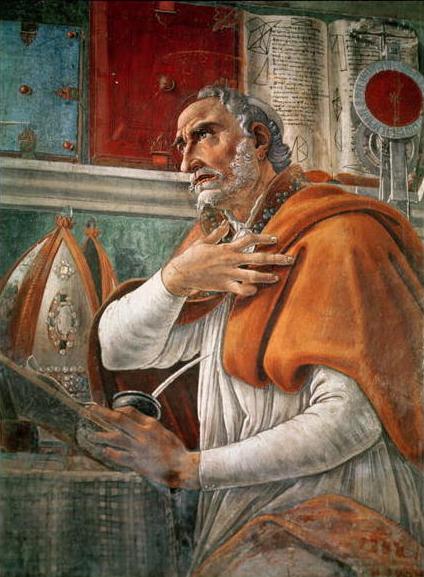
Augustine on Christians reading pagan books
The notion that “faith” and “learning” need to be “integrated” is a slippery proposition. Sometimes it is embraced unthinkingly; sometimes it is dismissed precipitously. One assumption sometimes latent in the claim that we need to integrate Christ and academia is that there is an unbridgeable gulf between “Christian” and “non-Christian” thought. However, there is a