Category
Category: Thinking Through the Bible series
The Thinking Through the Bible series explores the repeated patterns of the Bible along with its overall narrative shape to generate a series of tools for cultural critique. The aim is to dive deeply into the Bible in order to draw out fresh, faithful, sensitive and constructive interventions into important social and intellectual debates.
-
There is more to Sabbath than not working: Sabbath rest as a political and subversive practice
A recent email exchange put me in mind of the importance of taking rest from work, and of how this rest can be a powerful political statement. In my experience this is a particular challenge for academics, who have anything but a 9 to 5 job. I try to tease out the political implications of

-
Book excerpt from Thinking Through Creation: Absolute personality theism
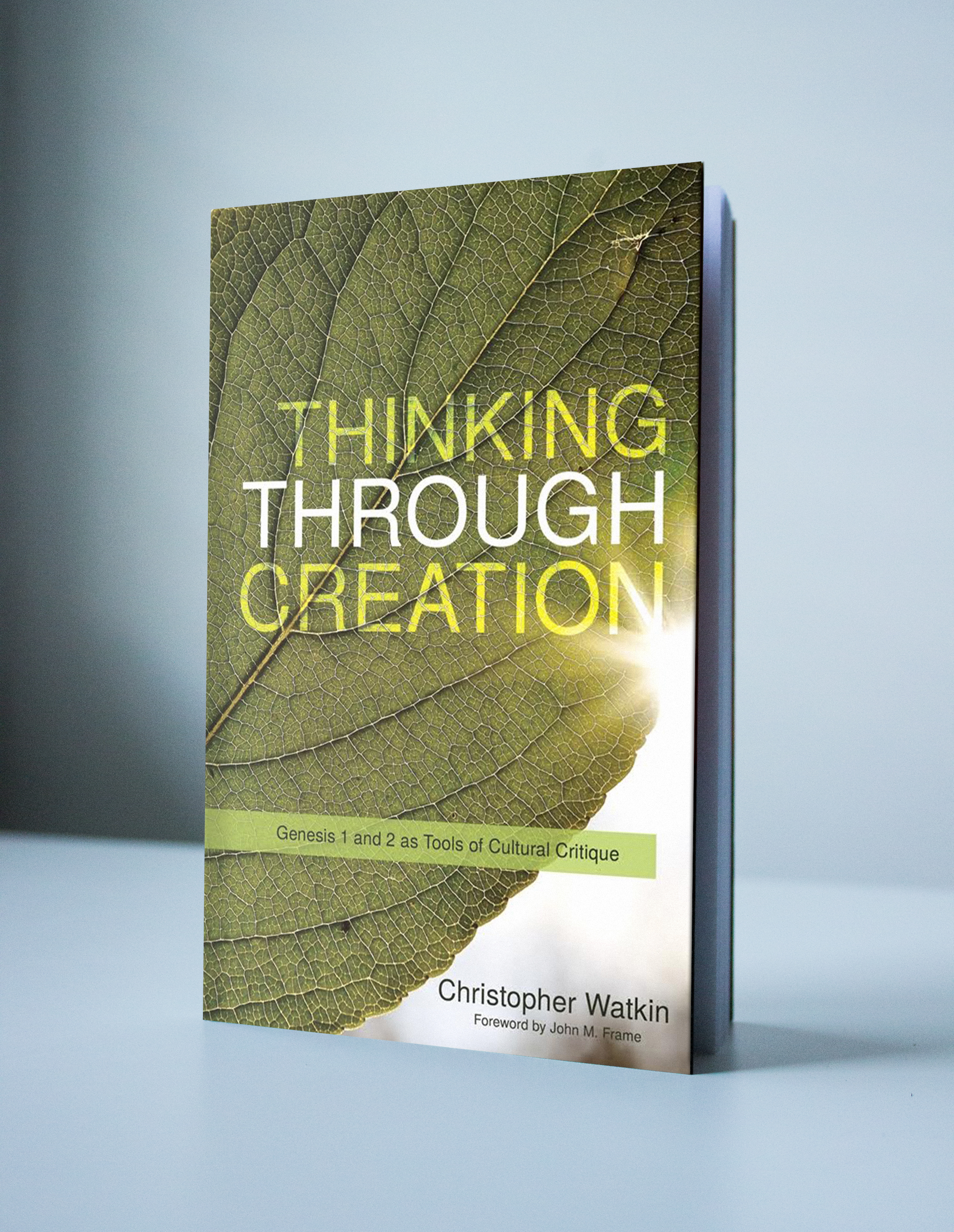
Absolute personality theism The God of the Bible is not the only God of the ancient or modern worlds who is personal. The Greeks and the Romans had as many personal gods as you could shake a stick at (and, as Paul discovered in Athens in Acts 17, even more that you couldn’t!) What is
-
Reformed Forum Christ the Centre episode on Thinking Through Creation
I recently had the pleasure of speaking with Camden Bucey and Adam York of the Reformed Forum about my recent book Thinking Through Creation: Genesis 1 and 2 as Tools of Cultural Critique. The conversation ranged over: what it means to deploy the Bible as a tool of cultural critique John Stott’s ‘double listening’ why
-
Summary and reviews of Thinking Through Creation: Genesis 1 and 2 as Tools of Cultural Critique
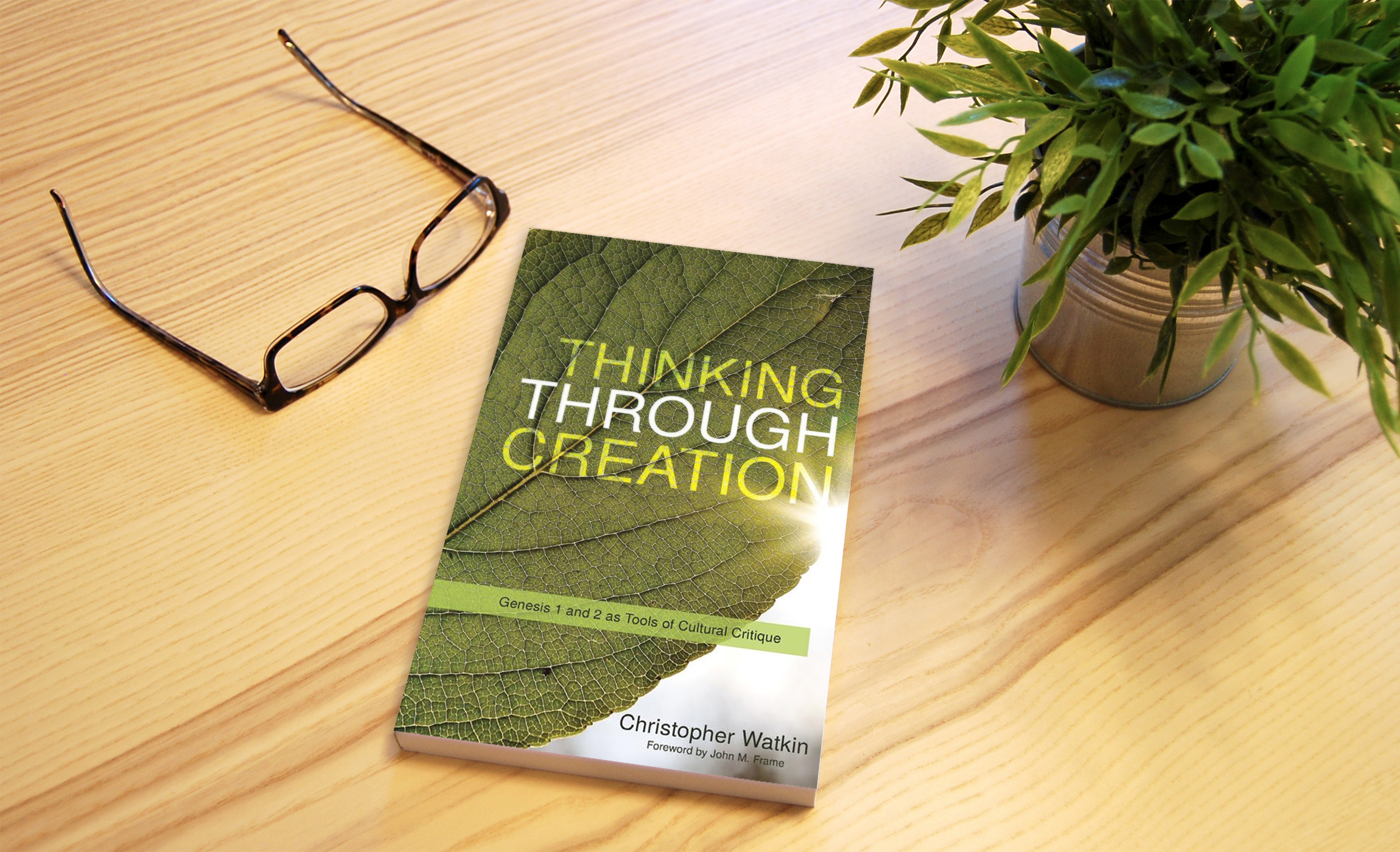
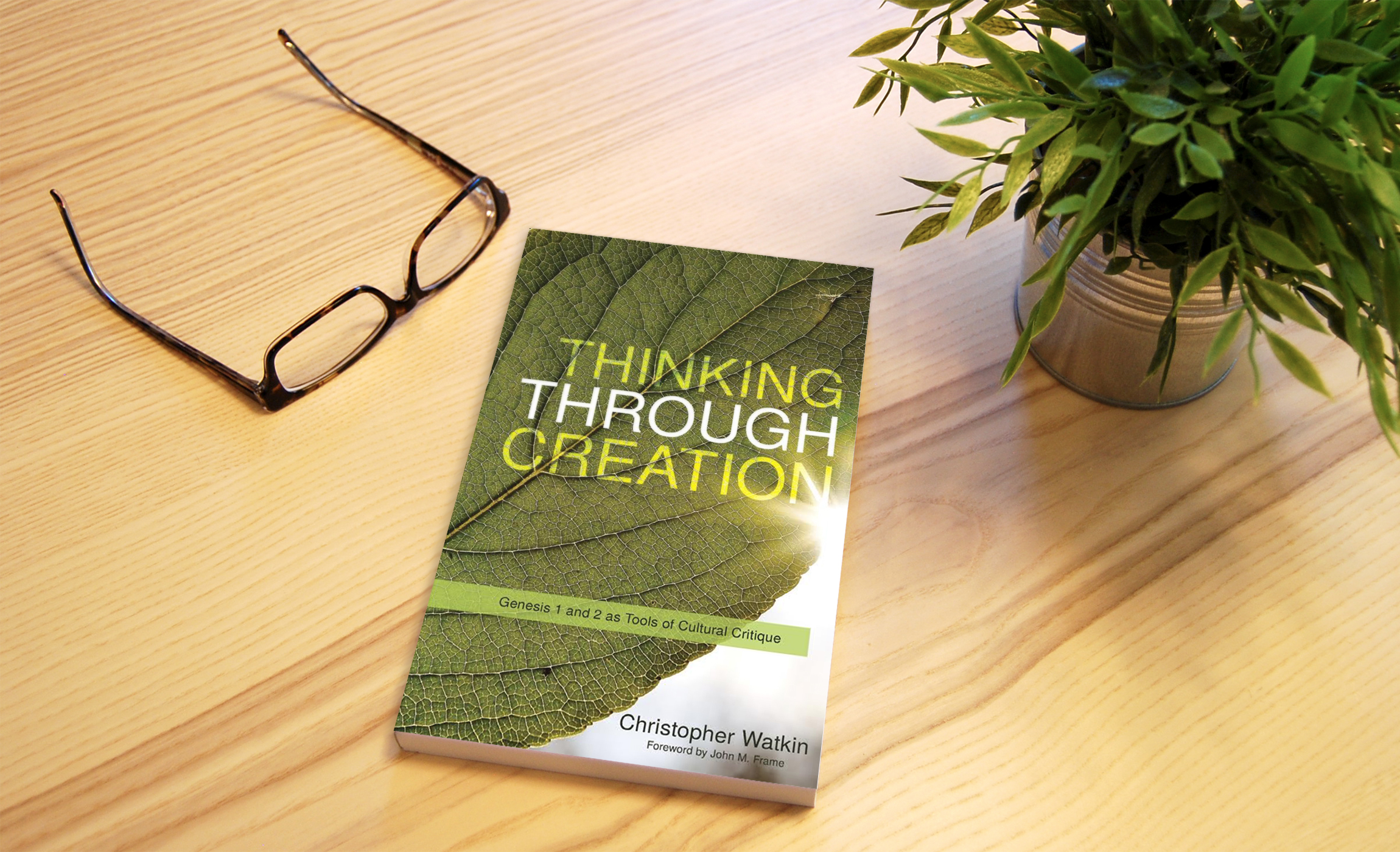
Phillipsburg, NJ: P&R Press, 2017. Summary Reading Genesis 1 and 2, we are tempted to see only problems to solve. Yet these two chapters burst with glorious truths about God, our world, and ourselves. In fact, their foundational doctrines are among the richest sources of insight as we pursue robust, sensitive, and constructive engagement
-
Thinking Through Sin: Genesis 3, Sartre, and the power of the gaze
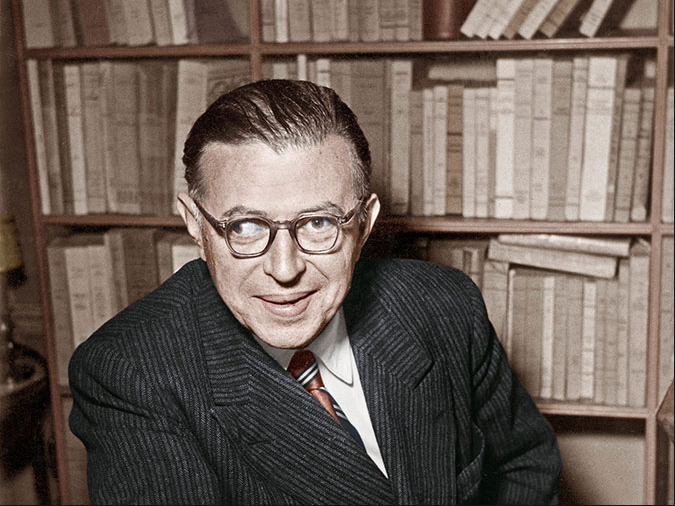
When Adam and Eve eat the fruit from the tree of the knowledge of good and evil their relationship undergoes a striking change. They begin accusing each other of wrongdoing (3:12-13), becoming ashamed (3:7,10) and being defensive (3:12-13). Their relationship becomes a zero sum game of power and domination (3:16b) in which each is
-
Thinking Through Sin: Original sin and critical theory
This is an excerpt from the as-yet unpublished book Thinking Through Sin and Judgment, in the ‘Thinking Through the Bible’ series For all the contemporary resistance to the idea of sin, it finds some striking echoes in modern critical and cultural theory, echoes of the way in which sin effects how that we think about

-
Diagonalisation: Let the Bible Disrupt Our Culture’s Comfortable Dichotomies
This post originally appeared on The Gospel Coalition Australia. You might have heard the joke about the city-dweller who becomes lost while walking in the countryside and begins to despair of ever finding his way home. He stumbles from field to field, but his eyes light up when he sees a local out walking her

-
Excerpt from Thinking Through Creation: Reclaiming the Trinity
“Ridicule is the only weapon which can be used against unintelligible propositions. Ideas must be distinct before reason can act upon them; and no man ever had a distinct idea of the Trinity. It is the mere Abracadabra of the mountebanks calling themselves the priests of Jesus”. These are the words of Thomas Jefferson, but
-
Thinking Through Creation: Introduction
And they took him and brought him to the Areopagus, saying, “May we know what this new teaching is that you are presenting? For you bring some strange things to our ears. We wish to know therefore what these things mean.” Our wisdom, in so far as it ought to be deemed true and

-
Contents Page for Thinking Through Creation: Genesis 1 and 2 as Tools of Cultural Critique
Here is the contents page for Thinking Through Creation: Genesis 1 and 2 as Tools of Cultural Critique. Foreword by John M. Frame ix Preface xiii Acknowledgements xvii 1. Introduction 1 Listening to the Word Listening to the World The Trinity and Creation: From Embarrassment to Riches 2. Who Created? Thinking