Category
Category: Book excerpts
Read excerpts from Chris’s books on theology, philosophy and Western culture, ranging from paragraphs to entire chapters.
-
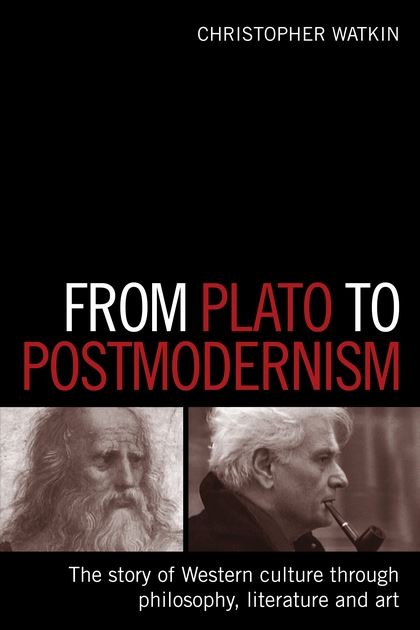
From Plato to Postmodernism book: Introduction
Here is the Introduction from my 2011 book From Plato to Postmodernism: The Story of Western Culture Through Philosophy, Literature and Art. The Introduction is entitled “To the man with a hammer …” human beings are not born once and for all on the day their mothers give birth to them, but life obliges them
-
Esther Meek’s Foreword to Michel Foucault in the P&R Great Thinkers series
It is the task of a Foreword to commend a work to you the reader, and to say why this work matters. I shall endeavor to fulfill this task, one which is at once easy and somewhat difficult. It is easy because Christopher Watkin’s Foucault is a highly commendable venture; it is difficult because our
-
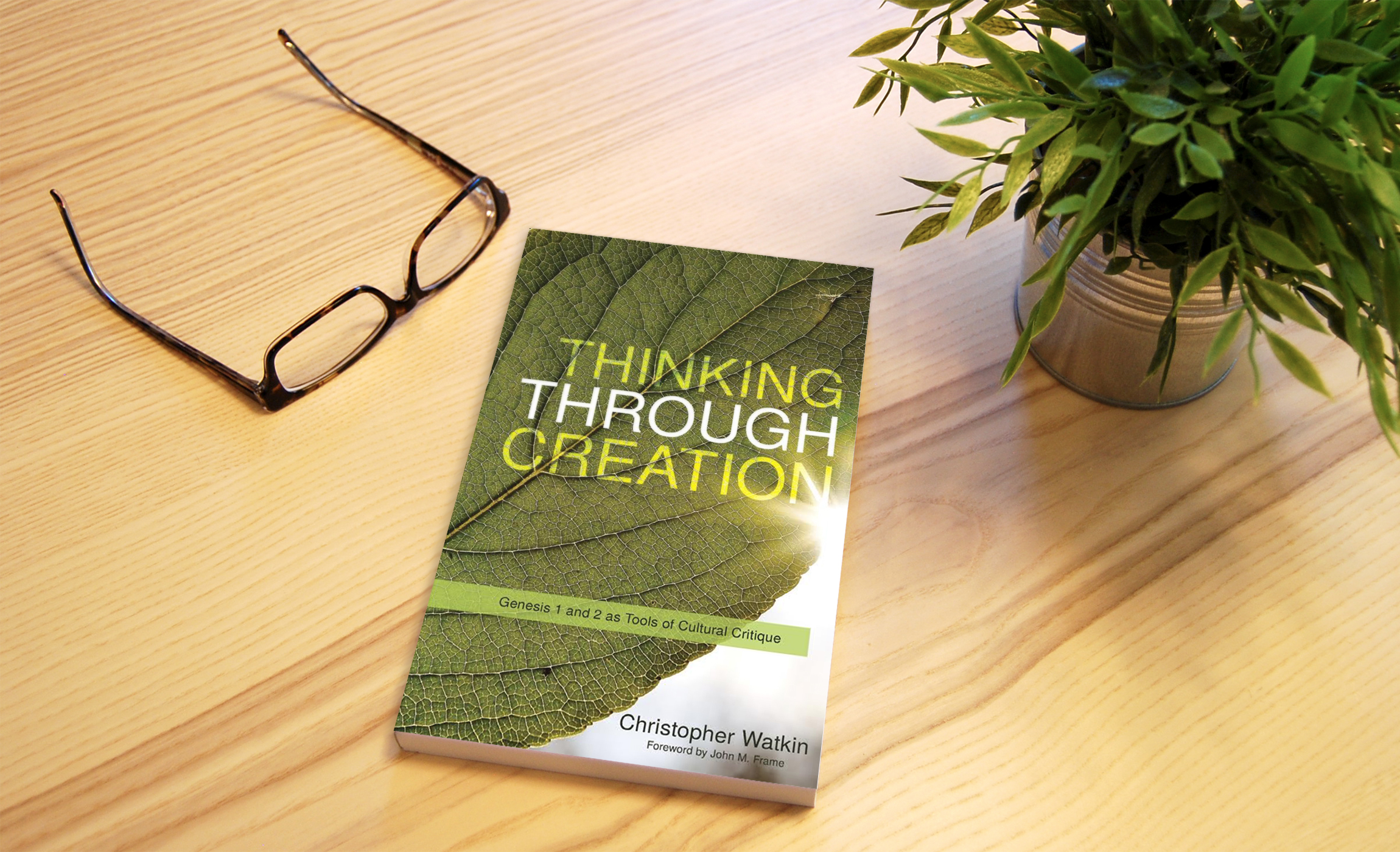
Excerpt from Thinking Through Creation: Reclaiming the Trinity
“Ridicule is the only weapon which can be used against unintelligible propositions. Ideas must be distinct before reason can act upon them; and no man ever had a distinct idea of the Trinity. It is the mere Abracadabra of the mountebanks calling themselves the priests of Jesus”. These are the words of Thomas Jefferson, but
-
Thinking Through Creation: Introduction
And they took him and brought him to the Areopagus, saying, “May we know what this new teaching is that you are presenting? For you bring some strange things to our ears. We wish to know therefore what these things mean.” Our wisdom, in so far as it ought to be deemed true and

-
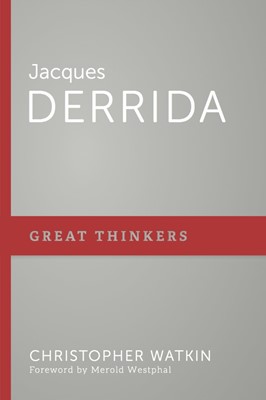
Merold Westphal’s Foreword to Jacques Derrida in the P&R Great Thinkers series
If the categorical imperative for civil conversation is “Listen before you speak,” the law for philosophical evaluation is “Understand before you critique.” More than almost any other major twentieth century thinker, Jacques Derrida has been abused by critics who ignore both formulations of the ethics of intellectual debate. For that reason it seems to me
-
John Frame’s Foreword to Thinking Through Creation
I am honoured that John M. Frame has agreed to write the Foreword to Thinking Through Creation, which I reprint here in full. Readers who approach this book with a background in Reformed and presuppositional thought will find much that is familiar here. Watkin ably argues the proposition that Scripture presents not only a way of