Category
Author: Chris Watkin
-
John Frame’s Foreword to Thinking Through Creation
I am honoured that John M. Frame has agreed to write the Foreword to Thinking Through Creation, which I reprint here in full. Readers who approach this book with a background in Reformed and presuppositional thought will find much that is familiar here. Watkin ably argues the proposition that Scripture presents not only a way of

-
The joys of being a paleolibricist
Do you need a mental detox from the glucose rush of today’s self-help inspired “how to…” Christian books? Longing for something meaty, a nutrition technology that releases its mental nutrients gradually and satisfies for longer? Then C. S. Lewis has just the diet for you. You need to become a paleolibricist! First of all, paleolibricism is

-
Do you want to be subversively counter-cultural? Then read old books
In this gem of an exchange, James Houston talks about his desire “in the middle years of life” to be counter-cultural, and the way in which spiritual classics allow us to enter the culture of another period and see our own culture somewhat from the outside: If you want to think more about this issue,
-
The Christian student and academic’s full body workout
I started (another) physical workout regime recently, and in order to drum up some enthusiasm for the task I did some lightweight web-based research on how to train and what it takes to keep going for the long term. One recalcitrant fact I kept butting up against is that it is little use to work

-
A Pauline model for engaging with our academic disciplines
Somewhere in the Preaching Christ in a Postmodern World series of talks (available on iTunesU), Tim Keller offers a brilliant fourfold schema that can help Christian academics to engage with our disciplines in a God-honouring and constructive way. Keller unfolds the schema as a way of understanding and engaging with culture in general, but I have found it

-
Why do I study something I don’t believe is true?
When it comes to what I research, one of the first challenges for me is to think through the following question: “Why do you study something you don’t believe is true?” These are my responses, in brief: 1. Saying ‘it is such a godless area, why study that?’ is like saying ‘Saudi Arabia is such

-
Augustine on Christians reading pagan books
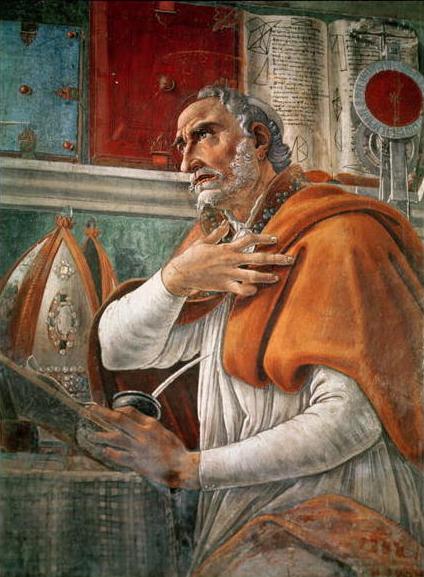
The notion that “faith” and “learning” need to be “integrated” is a slippery proposition. Sometimes it is embraced unthinkingly; sometimes it is dismissed precipitously. One assumption sometimes latent in the claim that we need to integrate Christ and academia is that there is an unbridgeable gulf between “Christian” and “non-Christian” thought. However, there is a
-
Why Christians should make the best cultural critics (but often don’t)
I remember hearing a comment some years ago now from Tim Keller that gave me great encouragement in my studies at the time (it’s so long ago I can’t remember where it came from now). Keller, if I remember correctly, began with the somewhat provocative statement that Christians ought to be the best of all

-
What does a “Christian approach” to my academic discipline even mean?
What does a “Christian approach” to my discipline even mean? Do I need to mention Jesus in the papers I write? Is it OK just to allude to something Christian in the acknowledgements? Should I quote the bible? What will happen if I do? I found myself asking questions like these pretty early on in

-
Temptations of the academic life (2): combs and mirrors
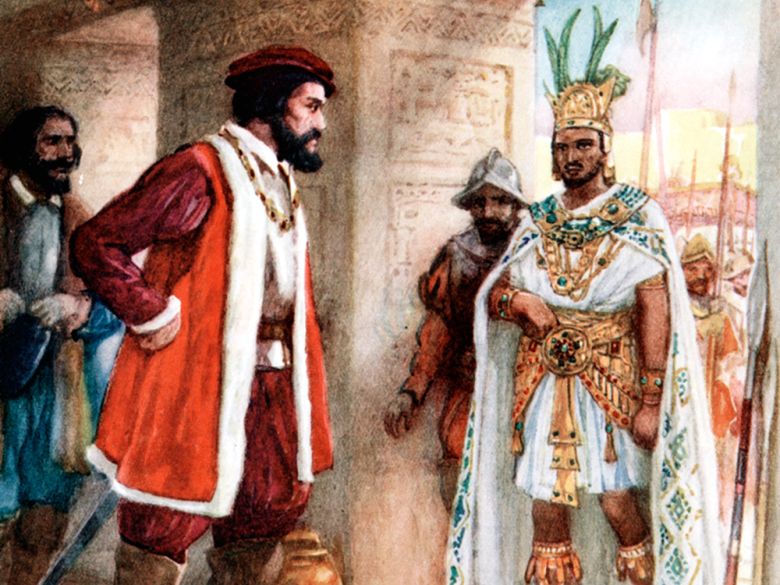
When the Conquistadors sailed for the New World they brought along chests of mirrors and combs to dazzle the indigenous peoples and to give away in exchange for their land and their bodies in slavery. In my experience, the academic system can operate in a similar way. It is great at flattering us, preening our