Category
Author: Chris Watkin
-
Esther Meek’s Foreword to Michel Foucault in the P&R Great Thinkers series
It is the task of a Foreword to commend a work to you the reader, and to say why this work matters. I shall endeavor to fulfill this task, one which is at once easy and somewhat difficult. It is easy because Christopher Watkin’s Foucault is a highly commendable venture; it is difficult because our
-
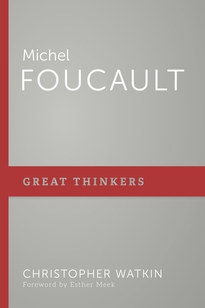
Podcast on Derrida, theology and Reformed theology
In this third podcast I begin by discussing Derrida’s cautious affirmation that “I rightly pass for an atheist”, and try to dismantle the myth that, for Derrida, God can be whatever you want him/her/it to be. I trace Derrida’s rejection of the god of onto-theology and then explain why he returns to the trope of “x without
-
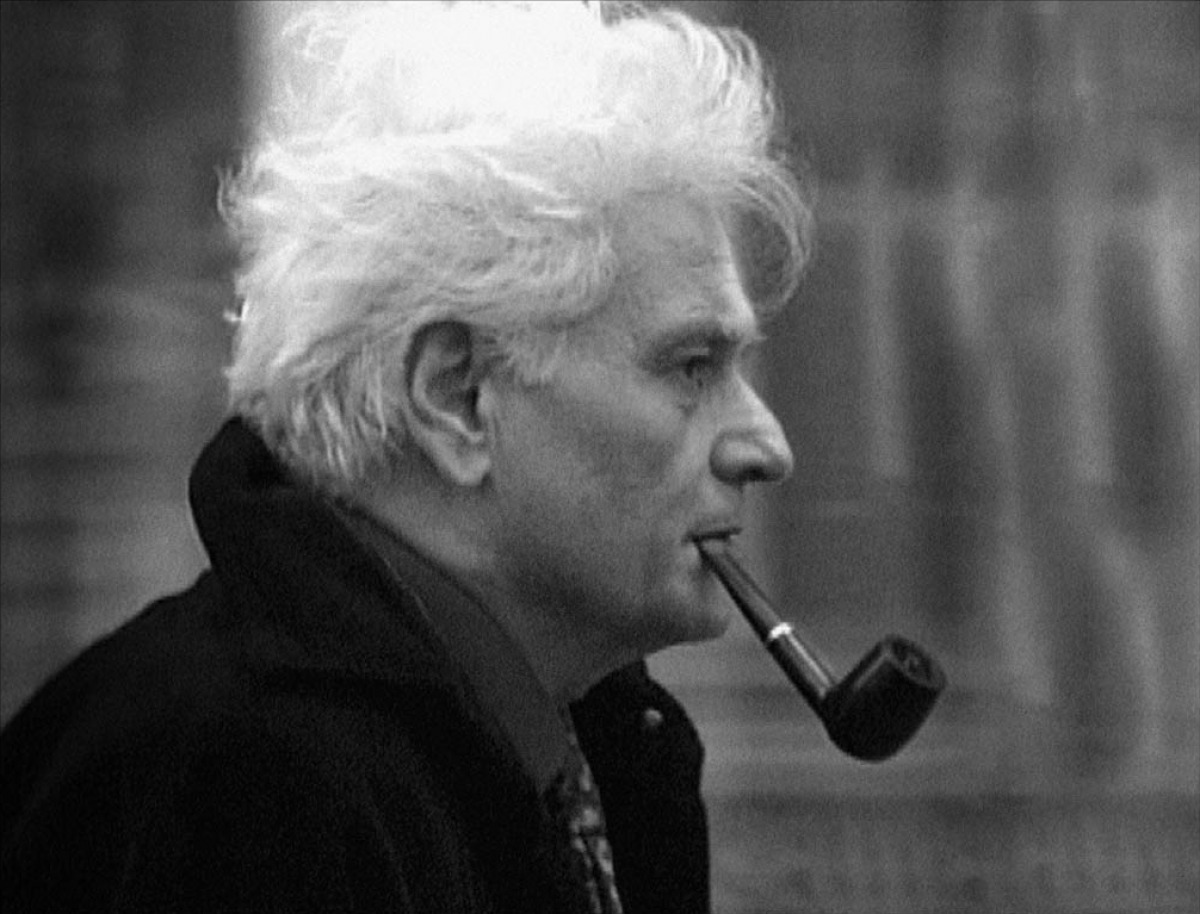
Podcast on Derrida, ethics and Reformed theology
In this episode I talk very briefly about the growing willingness to accept, from the mid 1990s onwards, that deconstruction is indeed ethical, before tackling the myth that Derrida is a relativist. I unpack the phrase “tout autre est tout autre” (“every other is wholly other”) from Derrida’s reading of Kierkegaard on Genesis 22 and
-
Podcast on Derrida, metaphysics and Reformed theology
Recorded with the Reformed Forum in 2016. In this first of three podcasts I introduce Derrida and debunk the myth that he thinks language is meaningless or that things can mean whatever we want them to mean. I then unpack the famous phrase “il n’y a pas de hors-texte” (“there is nothing outside the text”) and the notions of logocentrism
-
Diagonalisation: Let the Bible Disrupt Our Culture’s Comfortable Dichotomies
This post originally appeared on The Gospel Coalition Australia. You might have heard the joke about the city-dweller who becomes lost while walking in the countryside and begins to despair of ever finding his way home. He stumbles from field to field, but his eyes light up when he sees a local out walking her

-
Excerpt from Thinking Through Creation: Reclaiming the Trinity
“Ridicule is the only weapon which can be used against unintelligible propositions. Ideas must be distinct before reason can act upon them; and no man ever had a distinct idea of the Trinity. It is the mere Abracadabra of the mountebanks calling themselves the priests of Jesus”. These are the words of Thomas Jefferson, but
-
Thinking Through Creation: Introduction
And they took him and brought him to the Areopagus, saying, “May we know what this new teaching is that you are presenting? For you bring some strange things to our ears. We wish to know therefore what these things mean.” Our wisdom, in so far as it ought to be deemed true and

-
Contents Page for Thinking Through Creation: Genesis 1 and 2 as Tools of Cultural Critique
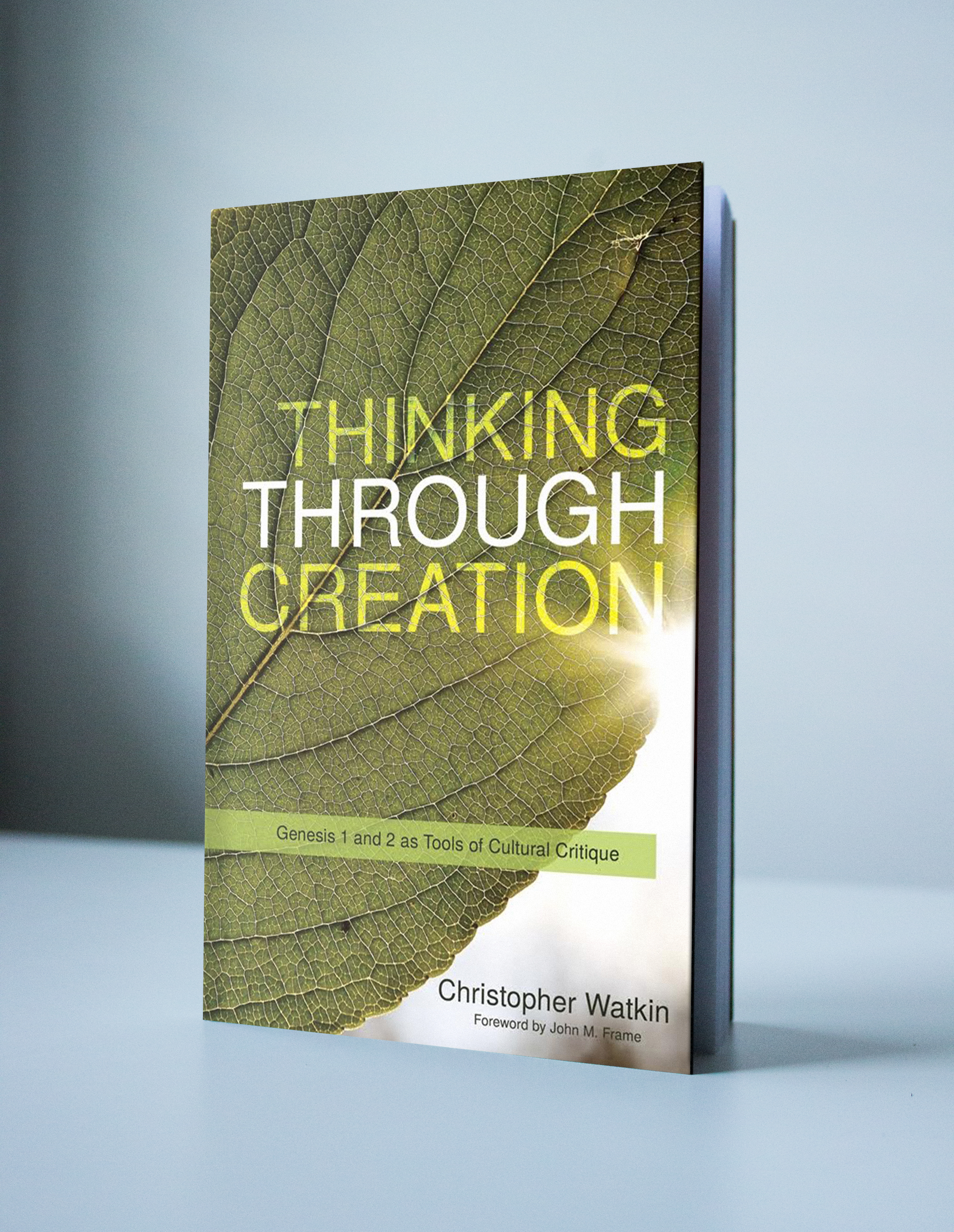
Here is the contents page for Thinking Through Creation: Genesis 1 and 2 as Tools of Cultural Critique. Foreword by John M. Frame ix Preface xiii Acknowledgements xvii 1. Introduction 1 Listening to the Word Listening to the World The Trinity and Creation: From Embarrassment to Riches 2. Who Created? Thinking
-
What is a theological concept? Part 1: Introduction
In this new series of posts I want to ask a question that is simple enough to pose: “what is a theological concept?” The question comes out of lines of inquiry I opened up in Difficult Atheism but wasn’t able to bring to a conclusion, as well as from reflections I have been pursuing since
-
Merold Westphal’s Foreword to Jacques Derrida in the P&R Great Thinkers series
If the categorical imperative for civil conversation is “Listen before you speak,” the law for philosophical evaluation is “Understand before you critique.” More than almost any other major twentieth century thinker, Jacques Derrida has been abused by critics who ignore both formulations of the ethics of intellectual debate. For that reason it seems to me