Category
Author: Chris Watkin
-
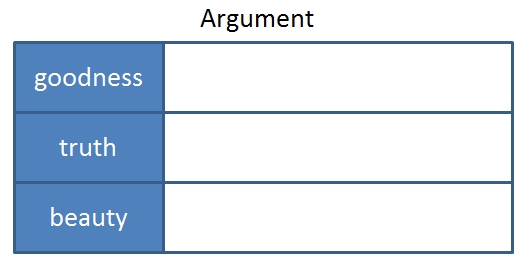
The good, the true, and the beautiful in arguments
In a post from 2009 over at Between the Times, Bruce Ashford quotes Augustine on Psalm 26, encouraging the Christian to see the God of creation behind the wonders of creation. The pleasure we experience in seeing a beautiful cathedral reminds us to admire the church’s architect. How much more should viewing the universe’s infinite
-
What’s the stumbling block for our colleagues: untruth or ugliness?
Why do highly educated people–I’m thinking especially of our university colleagues–reject the claims of Jesus Christ? Many people better qualified than I am have written at great length on the subject, but let me offer one thought here. At the risk of oversimplification, I’ll sum up my point in this shorthand way: The main problem
-
Shalom (2 of 2). Building human culture: our task for today, our joy for eternity
In a previous post I explored how shalom shapes what we think the task of academy should be, and how we understand our place in it. I now want to widen the focus a little and think about shalom as a paradigm of culture-building that bridges this world and the next. This second way in

-
Christian academia and the peace (שׁלום, shalom) of Jeremiah (1 of 2)
In a previous post I commented on the importance Sir Donald Hay gives to the biblical notion of shalom in his understanding of what it means to be a Christian academic. In the present post I want to think a little more carefully about what shalom is and how it is an important idea of

-
What does Derrida mean by ‘There is nothing outside the text?’ video
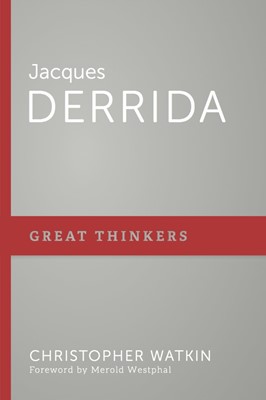
In July 2019 I had the pleasure of joining Prof. James Anderson of Reformed Theological Seminary for a wide-ranging conversation about philosophy, theology and the P&R Publishing Great Thinkers book series, in which James has a volume on David Hume and I have books on Jacques Derrida and Michel Foucault. In this excerpt I pick
-
7 ways Christians have read postmodern thinkers video
In July 2019 I had the pleasure of joining Prof. James Anderson of Reformed Theological Seminary for a wide-ranging conversation about philosophy, theology and the P&R Publishing Great Thinkers book series, in which James has a volume on David Hume and I have books on Jacques Derrida and Michel Foucault. In this excerpt I discuss
-
There is more to Sabbath than not working: Sabbath rest as a political and subversive practice
A recent email exchange put me in mind of the importance of taking rest from work, and of how this rest can be a powerful political statement. In my experience this is a particular challenge for academics, who have anything but a 9 to 5 job. I try to tease out the political implications of

-
Seminar. Storyboarding your Discipline: A Tool for Christian Students and Academics
In this seminar I want to explore one way that Christian academics can understand the secular disciplines in which we work. I will begin by discussing two different ways in which we can understand the Christian faith and the way it shapes our work, before moving on to discuss a tool to help us think

-
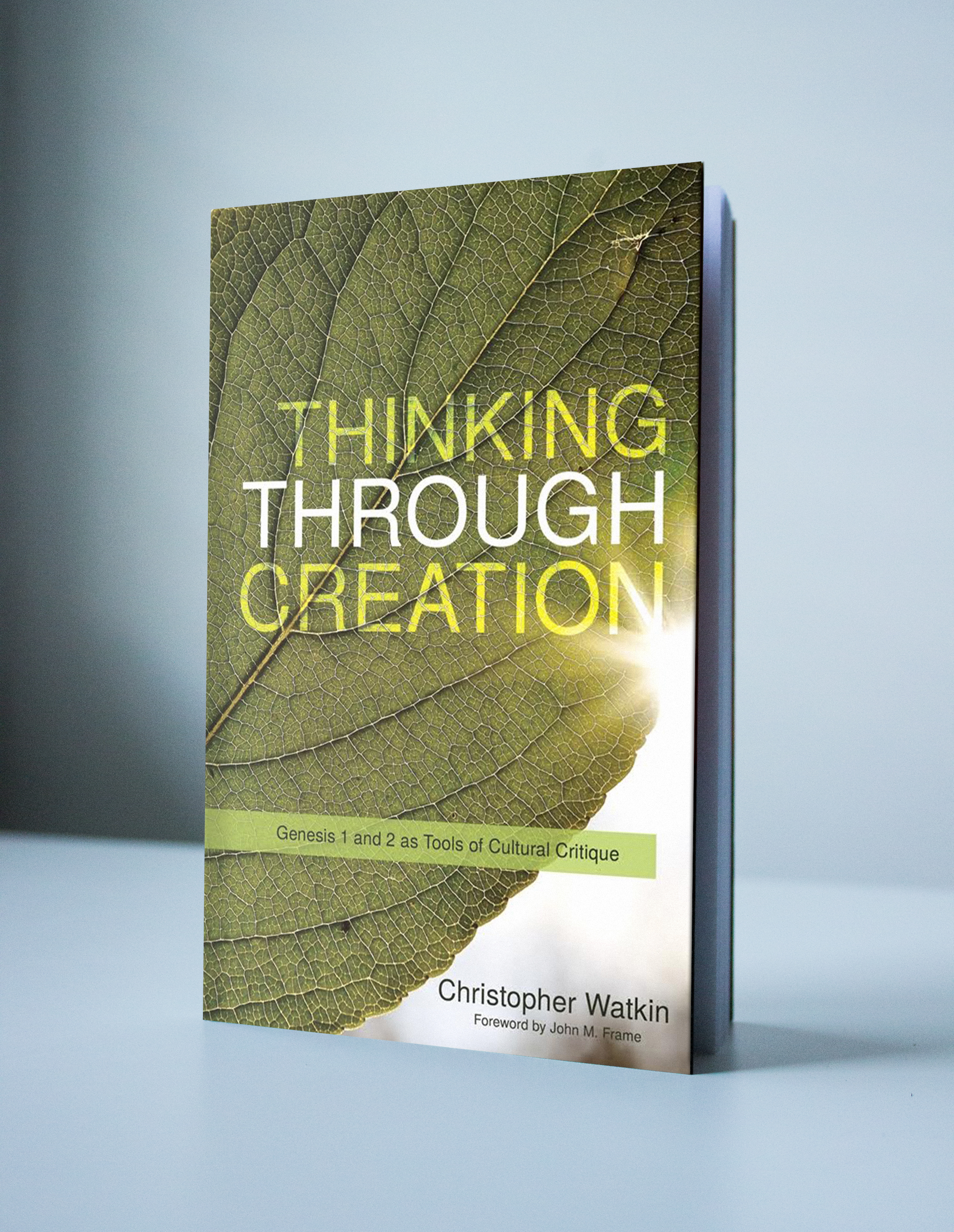
Book excerpt from Thinking Through Creation: Absolute personality theism
Absolute personality theism The God of the Bible is not the only God of the ancient or modern worlds who is personal. The Greeks and the Romans had as many personal gods as you could shake a stick at (and, as Paul discovered in Athens in Acts 17, even more that you couldn’t!) What is
-
Reformed Forum Christ the Centre episode on Thinking Through Creation
I recently had the pleasure of speaking with Camden Bucey and Adam York of the Reformed Forum about my recent book Thinking Through Creation: Genesis 1 and 2 as Tools of Cultural Critique. The conversation ranged over: what it means to deploy the Bible as a tool of cultural critique John Stott’s ‘double listening’ why